
Collection: Medium Roast Coffee
-
Best Seller
Espresso Roast Coffee
A balanced and naturally sweet espresso - great for straight espresso or smaller milk-based drinks
A balanced and naturally sweet espresso - great...
Regular price From $10.29Regular priceUnit price per -
Medium Roast Coffee
For those who enjoy the traditional chocolate, nutty, but with a bit of red fruit sweetness
For those who enjoy the traditional chocolate, ...
Regular price From $9.79Regular priceUnit price per -
New
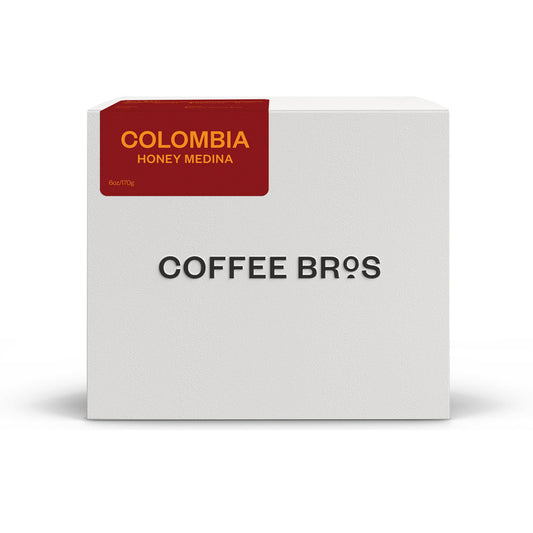
Colombia | Honey Medina | Caturro Honey
A well-balanced honey coffee that works exceptionally well as an espresso
A well-balanced honey coffee that works excepti...
Regular price From $12.89Regular priceUnit price per$26.99Sale price From $12.89Sold out -
New
 Sold out
India | Gems of Araku | Natural
A natural fermented coffee from India that shines with notes of big-bodied spiced fruit bowl
A natural fermented coffee from India that shin...
Regular price From $14.45Regular priceUnit price per$29.99Sale price From $14.45Sold out -
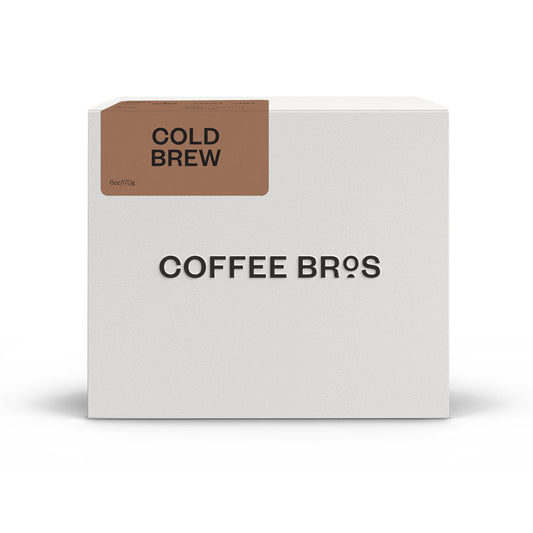
Cold Brew Coffee Blend
A blend of coffees from Ethiopia and Brazil for the perfect chocolatey, sweet cold brew
A blend of coffees from Ethiopia and Brazil for...
Regular price From $8.75Regular priceUnit price per -
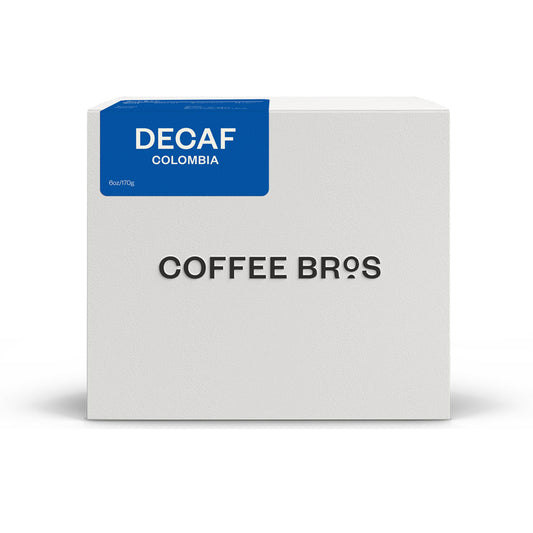
Decaf Roast Coffee
A perfectly balanced decaf coffee with just the right amount of sweetness
A perfectly balanced decaf coffee with just the...
Regular price From $10.29Regular priceUnit price per -
New
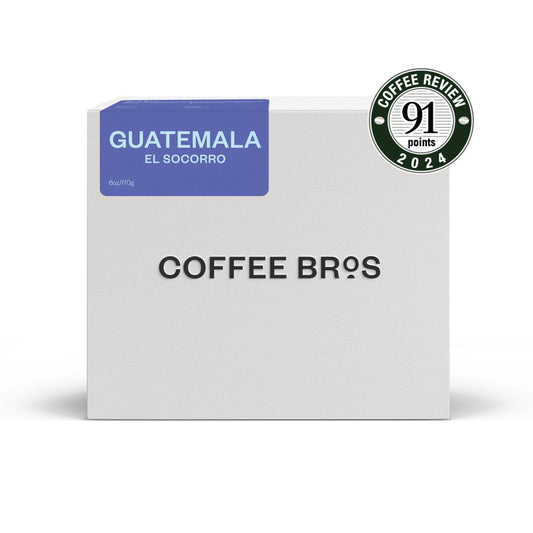
Guatemala | El Socorro | Pacamara Natural
A crisp and clean light roast with brilliant fruit-forward notes from our friends at Daye Bensa
A crisp and clean light roast with brilliant fr...
Regular price From $12.89Regular priceUnit price per -
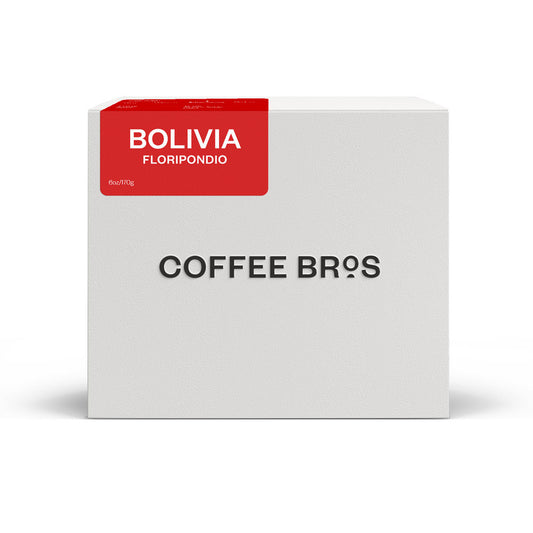
Bolivia | Floripondio | Batian Natural
A Cup of Excellence-winning coffee with a clean, juicy taste with notes of orange and raisin
A Cup of Excellence-winning coffee with a clean...
Regular price From $29.99Regular priceUnit price per$34.99Sale price From $29.99Sold out -
New
Colombia | La Mina Tribute Collection | Honey, Natural, Washed
A well-balanced honey coffee that works exceptionally well as an espresso
A well-balanced honey coffee that works excepti...
Regular price $36.99Regular priceUnit price per -
New
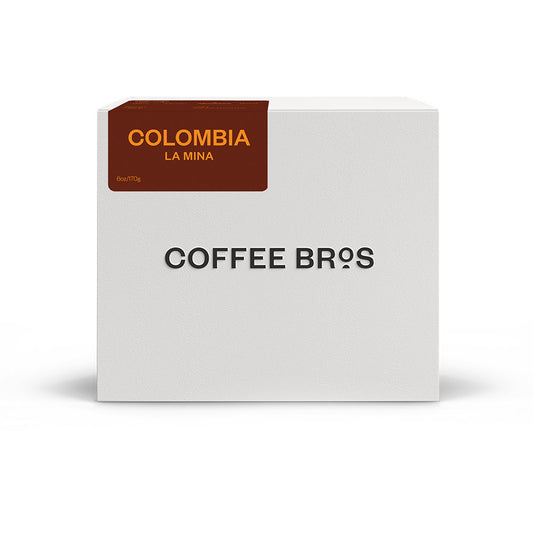
Colombia | La Mina | Natural
A well-balanced honey coffee that works exceptionally well as an espresso
A well-balanced honey coffee that works excepti...
Regular price From $12.89Regular priceUnit price per -
New
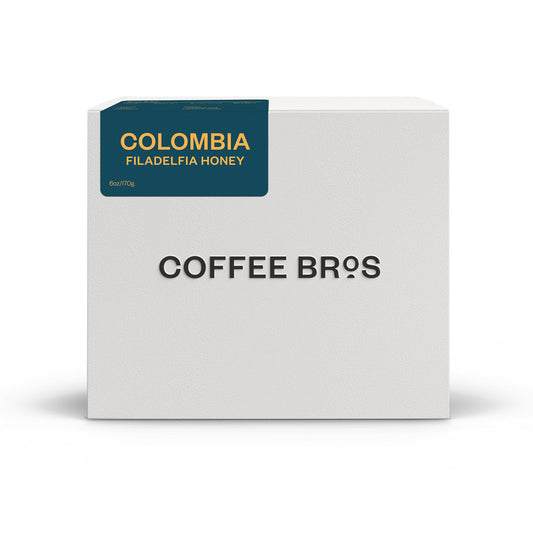
Colombia | Filadelfia Honey | Honey Fermentation
A well-balanced honey coffee that works exceptionally well as an espresso
A well-balanced honey coffee that works excepti...
Regular price From $15.99Regular priceUnit price per -
Best Seller
 Sold out
Espresso XO | Colombia | Natural
A creamy, fruit-driven espresso with dark chocolate richness—beautiful alone or in balanced milk drinks.
A creamy, fruit-driven espresso with dark choco...
Regular price From $14.39Regular priceUnit price per
Looking for something extraordinary? We've got a selection of unique coffees from different roast types to origins. Use the selection below to find your match!
Shop All Coffee
-
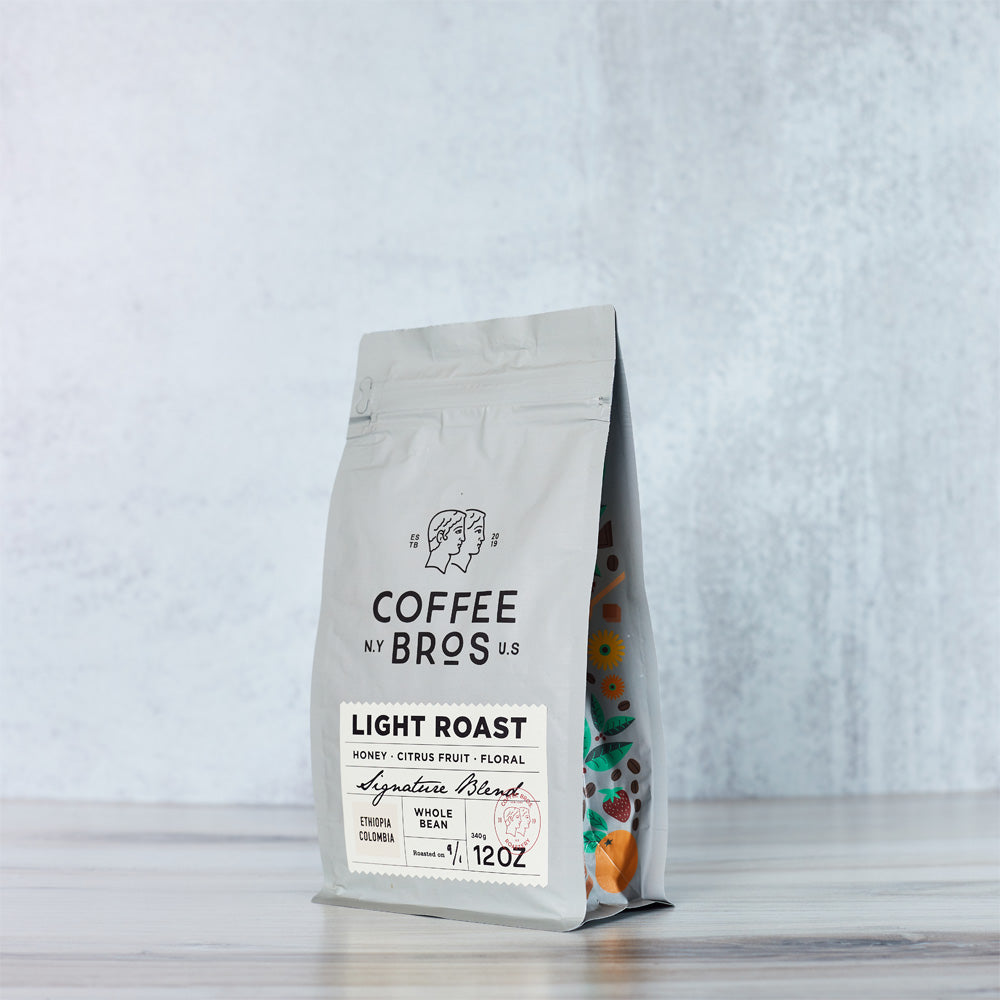
Light Roast Coffee
Roasted to highlight the terroir of specific, high-altitude coffee-growing regions and processing...
-
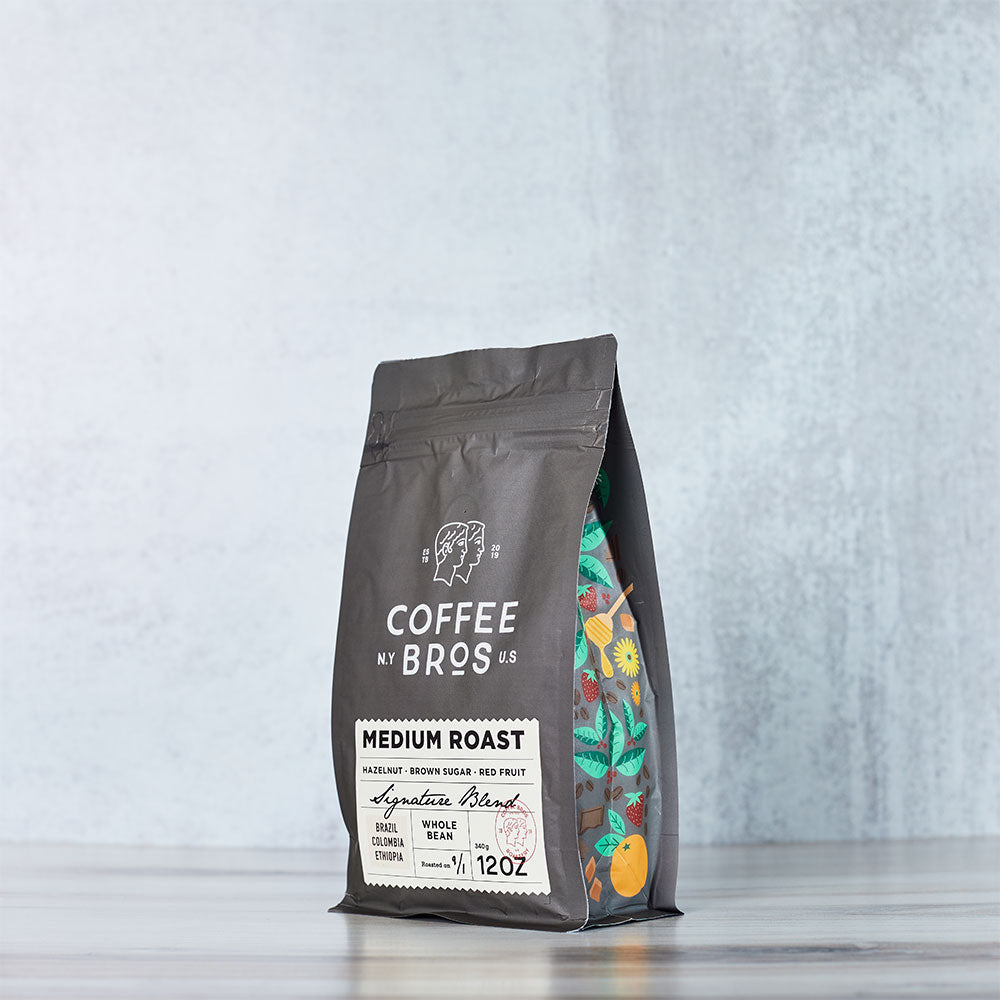
Medium Roast Coffee
Our medium roast coffees are rich and smooth, roasted to highlight subtle...
-
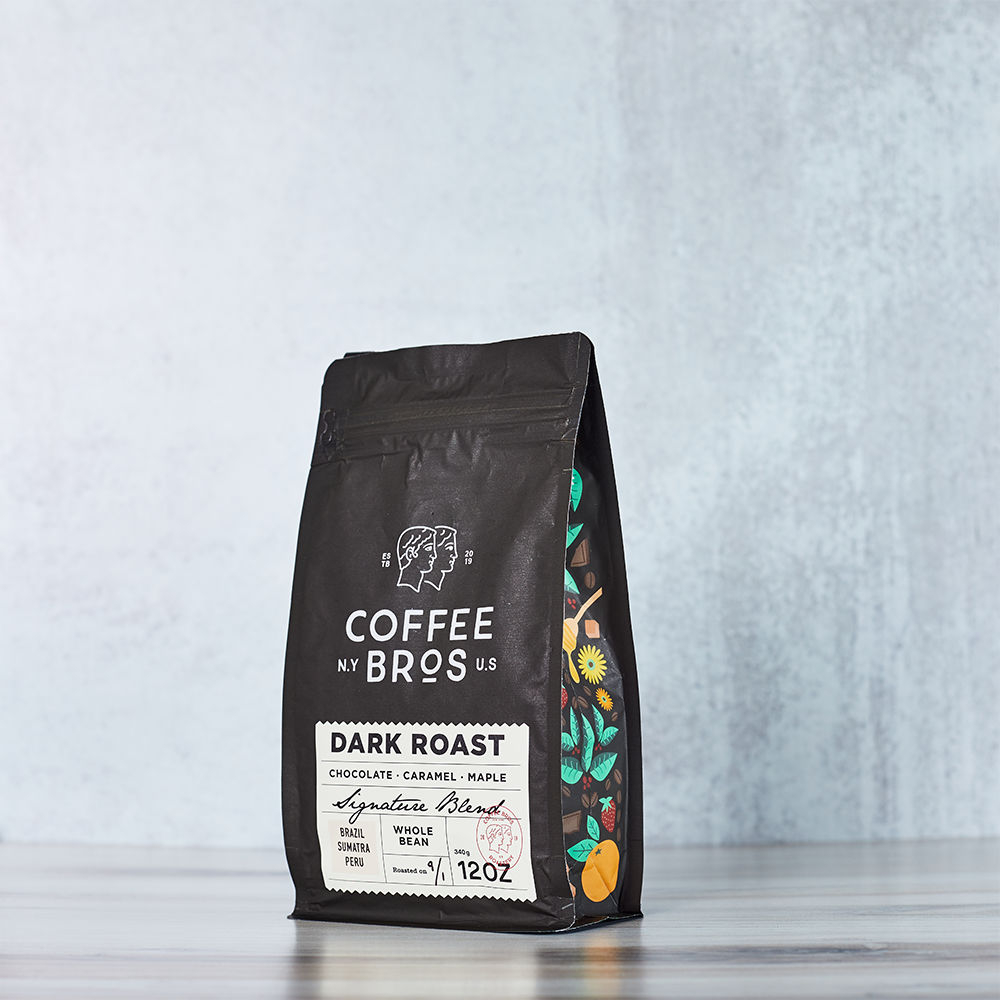
Dark Roast Coffee
Our classic dark roast coffees are roasted lighter to bring out the...

Shop Single Origin Coffee
View all-
Best Seller
Ethiopia | Daye Bensa | Natural
A crisp and clean light roast with brilliant fruit-forward notes from our friends at Daye Bensa
A crisp and clean light roast with brilliant fr...
Regular price From $12.85Regular priceUnit price per -
Best Seller
Costa Rican | Las Lajas | Natural
An exceptionally well-balanced coffee with winey fruit and chocolate notes
An exceptionally well-balanced coffee with wine...
Regular price From $13.40Regular priceUnit price per -
New
Colombia | La Mina | Natural
A well-balanced honey coffee that works exceptionally well as an espresso
A well-balanced honey coffee that works excepti...
Regular price From $12.89Regular priceUnit price per -
New
Colombia | Honey Medina | Caturro Honey
A well-balanced honey coffee that works exceptionally well as an espresso
A well-balanced honey coffee that works excepti...
Regular price From $12.89Regular priceUnit price per$26.99Sale price From $12.89Sold out -
New
Colombia | Filadelfia Honey | Honey Fermentation
A well-balanced honey coffee that works exceptionally well as an espresso
A well-balanced honey coffee that works excepti...
Regular price From $15.99Regular priceUnit price per -
New
Guatemala | El Socorro | Pacamara Natural
A crisp and clean light roast with brilliant fruit-forward notes from our friends at Daye Bensa
A crisp and clean light roast with brilliant fr...
Regular price From $12.89Regular priceUnit price per -
 Sold out
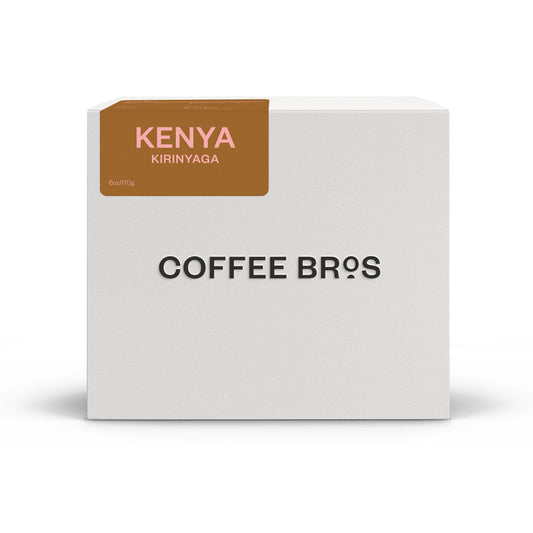
Kenya AA | Kirinyaga | Washed
An adventurous coffee with notes of plum, cocoa, and lemon
An adventurous coffee with notes of plum, cocoa...
Regular price From $12.89Regular priceUnit price per -
 Sold out
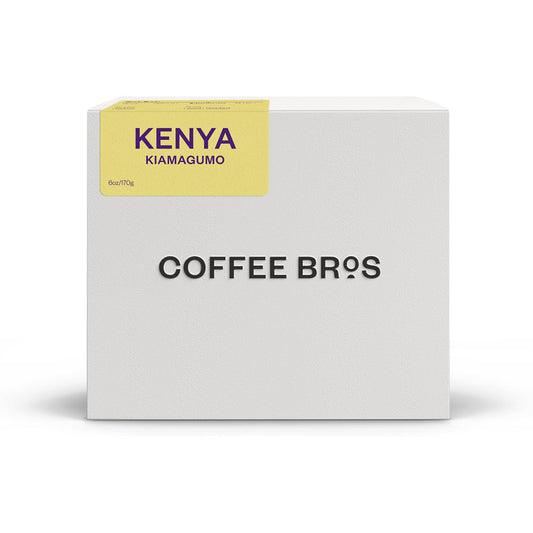
Kenya Peaberry | Kiamagumo | Washed
An adventurous coffee with notes of plum, cocoa, and lemon
An adventurous coffee with notes of plum, cocoa...
Regular price From $12.89Regular priceUnit price per
Coffee Questions
The difference between Light, Medium, and Dark roast coffees?
The difference between light, medium, or dark roasted coffees goes deeper than their appearance in color and touches on their depth of roast (development) and intended taste notes.
We define coffee not only by the color but how far along in the roasting development process we take a coffee. We also "cup" or sample our coffees to ensure they hit on certain flavor profiles to hit on that a perceived roast color flavor. All-in-all, color is an excellent initial determining factor for what a coffee might taste like and give consumer hints on what to expect in their brewed cup.
What is a Medium Roast Coffee?
Medium-roasted coffee is defined not only by the color but also by how "developed" the coffee is. Coffee goes through several stages during the roasting process, from drying, Maillard, caramelization, and carbonization. Medium roast coffees push beyond first crack (when the coffee begins to pop due to built-up pressure) and deeper into the caramelization stage than lighter roasted coffees.
You can expect medium-roasted coffees to be rich with clear caramelization, which brings out the coffee's sweet, brown sugar, nutty, and chocolatey notes. Coffees that are naturally fruit forward and roasted medium have a deeper or cooked fruit flavor, while lighter roasted coffees will have more bright and acidic fruit notes.
Does Medium Roast coffee have more caffeine?
The caffeine difference between medium, light, and dark roast is relatively insignificant though many think the more robust and bolder taste of dark roasted coffees has more caffeine. Caffeine content has more to do with the brew method, such as an espresso having higher caffeine content per ounce than a brewed cup of coffee.
There is also confusion due to coffee density being different for light, medium, or dark roasted coffees. The darker the coffee is, the longer it is roasted, and the less each bean weighs. If you were to weigh out coffee by volume (by using a tablespoon), your result would equate to a more robust cup of coffee with a light roast due to its higher density than if you measured by weight using a scale.
What does Medium Roast Coffee taste like?
Medium-roasted coffees are rich with clear caramelization, which brings out the coffee's sweet, brown sugar, nutty, and chocolatey notes.
Coffee goes through several stages during the roasting process, from drying, Maillard, caramelization, and carbonization. As coffee roasts further into the caramelization and carbonization stages, the more bold, nutty, and chocolatey notes one can expect.
What are the best brewing methods for Medium Roasted Coffee?
Medium-roasted coffees are incredibly versatile and work well across all brewing methods. Medium roast coffees carry a bit bolder than their lighter roasted counterparts, making them a better candidate for milk-based espresso drinks like lattes and cappuccinos. Medium-roasted coffee develops more caramelization, bringing out the rich, chocolatey, nutty taste notes that many look for in a good cup of brewed coffee. We enjoy brewing medium roasts as either a pour over or espresso-based drink. For those who want a less bright coffee or if you are someone who enjoys milk and sugar in your coffee, medium or dark-roasted coffees may be your best bet.
What brewing methods work best for medium roast coffee?
Medium roast coffees are highly versatile and perform well across a range of brewing methods, including pour-over and espresso. This flexibility is one of the main reasons Coffee Bros. considers medium roast their personal favorite
What flavor notes can I expect from a medium roast coffee?
Medium roast coffees typically offer a balance of classic and nuanced flavors. The Coffee Bros. Medium Roast Blend, for example, features notes of brown sugar, hazelnut, and red fruit like strawberry, with a round body and low acidity.
What are the three most important factors for brewing a great cup of medium roast coffee?
Time, temperature, and brew ratio are the three key variables to dial in. A general starting point is a water temperature of 208 to 212 degrees Fahrenheit, a brew ratio around 1:13 to 1:15, and a total brew time of roughly 2:30 to 4:00 minutes for pour-over.
How do I know if a roaster's coffee is truly a medium roast?
Look for roasters who clearly label the roast level on their bag or product page. If roast color is not listed, taste notes can offer clues since a medium roast strawberry note, for instance, will taste more like a cooked berry with heavier body compared to the bright, acidic version found in a light roast.
Are the Coffee Bros. medium roast coffees available as whole bean only?
Yes, Coffee Bros. sells their medium roast coffee as whole bean only and does not offer pre-ground options.
Where is Coffee Bros. based, and when did they start roasting?
Coffee Bros. is a specialty coffee roastery founded in New York City in 2019. Their mission is built around four pillars: sustainability, quality, consistency, and freshness.
What makes a coffee a medium roast?
At Coffee Bros., medium roast is defined by both color and roasting development. Beans are taken slightly beyond first crack to bring out more of the coffee's natural sugars and caramelization and then cupped to confirm the flavor profile hits that medium roast sweet spot.
- Choosing a selection results in a full page refresh.